

nabanga
Kava Enthusiast
I’m currently working in the outer islands of Kiribati, specifically the southern Gilberts.
Kiribati is not a traditional kava country, but they adopted it in the 80’s, and now Kiribati is the single biggest export market for Vanuatu kava. The most popular brand is “Nimtai” from Forney’s, which is a mix of Santo kavas 4-5 years old, and comes in a half kilo bag for AUD60.
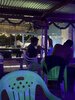
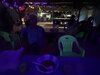
In South Tarawa, the densely populated capital, there are many open sided kava bars, all open till dawn, and all with pool tables and karaoke. Very different to the Vanuatu style, but friendly & welcoming. The mix is fairly weak and is ordered in 2 liter plastic bottles, and usually swigged from the bottle.
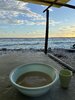
For the more discerning customer you can get about 1.5 liters in a plastic bowl with a plastic cup for AUD5.
In the outer islands that I got to ( Tabiteua, Abaiang, Nikunau), it is similar but less bars, and a stronger mix although still half the Vanuatu (or my home) strength. The islands have little outside help, no soil for growing crops other than coconuts, and brackish well water. The potable rainwater collected is mostly saved for making kava. No alcohol is available on the outer islands apart from coconut toddy which they make from the flower sap.
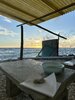
Anyway - a few Kiribati kava bar photos;
Kiribati is not a traditional kava country, but they adopted it in the 80’s, and now Kiribati is the single biggest export market for Vanuatu kava. The most popular brand is “Nimtai” from Forney’s, which is a mix of Santo kavas 4-5 years old, and comes in a half kilo bag for AUD60.
In South Tarawa, the densely populated capital, there are many open sided kava bars, all open till dawn, and all with pool tables and karaoke. Very different to the Vanuatu style, but friendly & welcoming. The mix is fairly weak and is ordered in 2 liter plastic bottles, and usually swigged from the bottle.
For the more discerning customer you can get about 1.5 liters in a plastic bowl with a plastic cup for AUD5.
In the outer islands that I got to ( Tabiteua, Abaiang, Nikunau), it is similar but less bars, and a stronger mix although still half the Vanuatu (or my home) strength. The islands have little outside help, no soil for growing crops other than coconuts, and brackish well water. The potable rainwater collected is mostly saved for making kava. No alcohol is available on the outer islands apart from coconut toddy which they make from the flower sap.
Anyway - a few Kiribati kava bar photos;
Attachments
-
 1.1 MB Views: 8
 -
 1.1 MB Views: 8
 -
 1.7 MB Views: 8
 -
 1.8 MB Views: 8
 -
 3.3 MB Views: 8
 -
 2.7 MB Views: 7

